
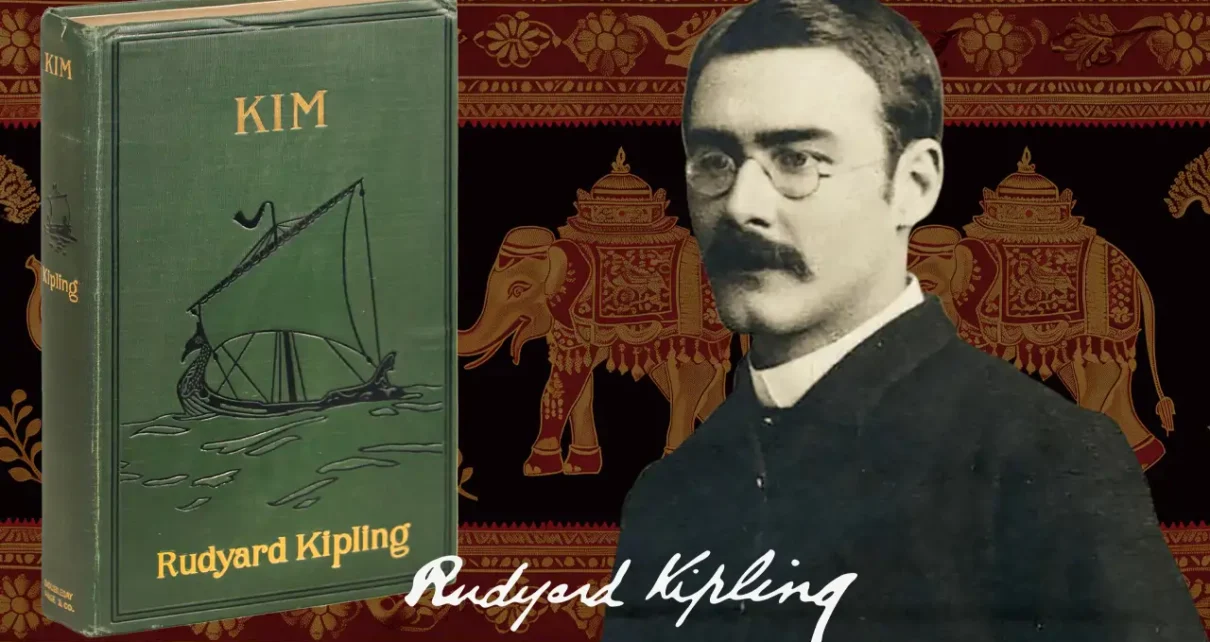
Nadie parece percatarse de que Kim, que vive en las calles de Lahore, tiene orígenes irlandeses. Pero será su conocimiento de estos dos mundos lo que le llevará a vivir aventuras apasionantes.
Joseph Rudyard Kipling was born in 1865 in Mumbai (then known as Bombay) in what was then British India. He spent much of his earliest childhood with his Indian ayah — or nursemaid —, and spoke the Bombay vernacular in preference to English. While he was still very young, his parents sent him to a boarding school in England for five years, where he was bullied and badly treated. This experience probably contributed to his extreme sensitivity and lifelong love of India.
RETURN TO INDIA
Kipling returned to India in 1882. As his parents belonged to the highest rank of Anglo-Indian society, he was familiar both with that world and with the rich, colourful culture of native India. He worked for seven years as a journalist, often contributing prose sketches and poetry. He soon published collections of poems and short stories, which became hugely popular.
Kipling’s imperialist ideology is controversial today, but few question his genius as a writer. The novel Kim, considered his masterpiece, is set against the colonialism of British India in the late-19th century and focuses on the geopolitical tensions between European powers in central Asia, a situation referred to in the novel as “the Great Game”. The book has been called a spy story, a quest novel, and a coming-of-age novel. Above all, it is Kipling’s love letter to India and a celebration of the sounds, smells, and colours of that country.
Kimball o’hara
Kim tells the story of Kimball O’Hara, the young, orphaned son of an Irish regimental soldier who has grown up as a street urchin in Lahore. Known simply as Kim, no one suspects that he is white:
“Though he was burned black as any native; though he spoke the vernacular by preference, and his mother-tongue in a clipped uncertain sing-song; though he consorted on terms of perfect equality with the small boys of the bazar; Kim was white — a poor white of the very poorest.”
“Pese a tener la piel tostada como cualquier nativo, pese a sentir preferencia por hablar la lengua vernácula y hablar su lengua materna con un vacilante sonsonete apocado, pese a relacionarse con los pequeños del bazar de igual a igual, Kim era blanco, un blanco pobre, pobre entre los pobres”.

Lista de vocabulario inglés B1 para aprobar un examen oficial
INDIAN SOUNDSCAPE
Kim’s dialogue is written in this vernacular, and the story is so peppered with dialect words that the reader is immediately immersed in the soundscape of British India at the turn of the century. The story begins when Kim, who is playing on the streets of Lahore, encounters a Buddhist lama. The boy is immediately fascinated by the lama’s words and actions:
“Kim followed like a shadow. What he had overheard excited him wildly. This man was entirely new to all his experience, and he meant to investigate further, precisely as he would have investigated a new building or a strange festival in Lahore city. The lama was his trove, and he purposed to take possession.”
“Kim lo seguía como si fuera su sombra. Lo que había alcanzado a escuchar le había emocionado sobremanera. Comparado con sus experiencias anteriores, ese hombre era toda una novedad para él. Estaba decidido a seguir investigando, tal como habría investigado un nuevo edificio o una celebración desconocida en la ciudad de Lahore. El lama era un tesoro, y Kim tenía la intención de hacerse con él”.
BUDDHIST DISCIPLE
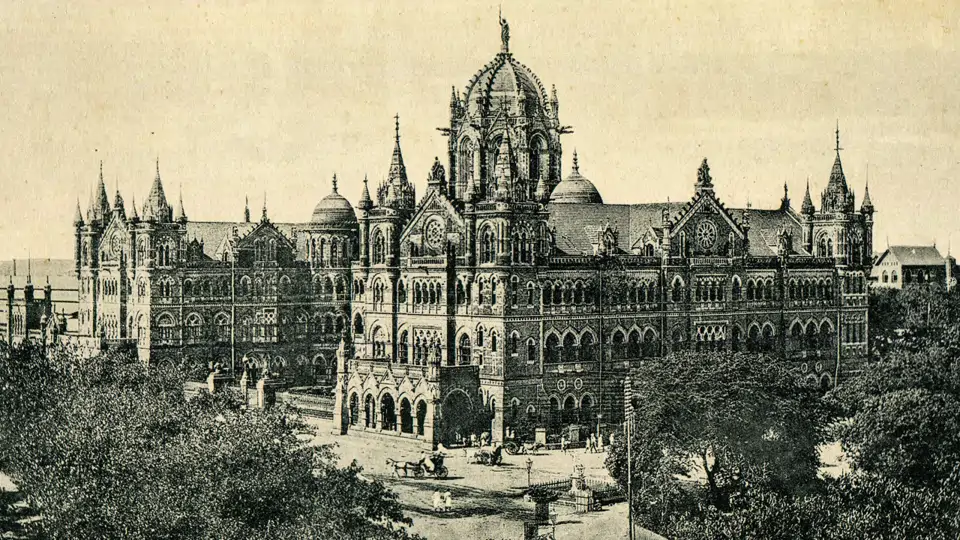
Kim volunteers to be the lama’s chela — or disciple —, helping him on his quest for enlightenment as he seeks the legendary Arrow River spoken of in tales of the Buddha’s life. Together they travel across India on the Great Trunk Road, encountering a cast of vivid characters as they go.
Although Kipling’s ideas about empire and race are of his time, the book can also encourage appreciation and admiration for cultural difference. The boy Kim is full of wonder and enthusiasm for the diversity of life and its experiences. Known by all as The Little Friend of all the World, Kim considers India to be what he calls “the broad smiling river of life.” He walks with his lama through a carnival atmosphere where the only discourtesy is demonstrated by a functionary of the empire:
“Kings could be no richer. He bought sweetmeats in a leaf-cup from a Hindu trader and ate them with glad rapture until a policeman ordered him off the steps.”
“Los reyes no podían ser más ricos. Compró dulces metidos en un cucurucho hecho con una hoja a un vendedor hindú, y se los comió con glotonería hasta que un policía le ordenó abandonar los escalones donde estaba sentado”.
THE PERFECT SPY
In a parallel plot, Kim becomes involved in espionage and delivers a secret letter containing vital geopolitical intelligence to the British. Kim’s natural ability to slip unselfconsciously between cultural identities makes him the perfect spy. He prefers local food and sleeps curled up like an Indian boy. He has an Indian vagueness about time and an ability to sleep through loud noise. And yet he has the white man’s fear of snakes, a certain white arrogance, and a white respect for orders. After many adventures and tribulations, the young Kim faces a choice between two identities: to continue in the Great Game as a spy and employee of the colonial service, or to remain a disciple of the lama and to share in his enlightenment.
CONTROVERSY
Like many of his time, Kipling had imperialist persuasions. He has, with some justification, been accused of being a reactionary, a racist and a vicious anti-Semite. And yet, this is not the whole story. To the end of his life, he continued to write some of the finest prose and verse ever produced in English. Kipling published his best-known work in the 1890s and early 1900s, for example, the novels The Light That Failed (1890) and Kim (1901), and his collections of stories The Jungle Book (1894) and The Second Jungle Book (1895). When he received the Nobel Prize for Literature in 1907, he was the first English language author to do so and, at forty-one, the youngest.
After World War One, Kipling’s extraordinary popularity started to diminish as he began to be viewed as a jingoistic imperialist. As he grew older, he became increasingly isolated. When he died, however, in 1936, his ashes were interred in the privileged location of Poets’ Corner in Westminster Abbey.
glossary
nursemaid: niñera, aya
vernacular: lengua vernácula, dialecto
boarding school: internado
to bully: acosar
lifelong: de toda la vida
sketches: bocetos
to set against: ambientar, desarrollar
quest novel: novela de aventuras
coming-of-age novel: novela de formación
urchin: pillo
to pepper: salpicar
soundscape: paisaje sonoro
turn of the century: cambio de siglo
enlightenment: ilustración
trunk: troncowonder: asombro
plot: trama
to slip: escabullirse
unselfconsciously: espontáneamente
to curl up: acurrucarse
to sleep through: dormir a pesar de
persuasions: convicciones
vicious: brutal, cruel
jingoistic: chauvinista
ashes: cenizas
to inter: enterrar