
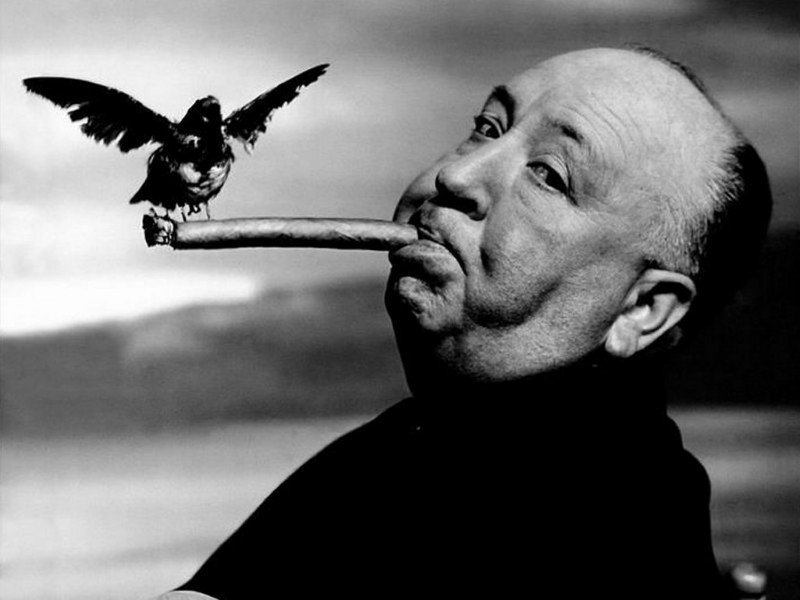
Maestro absoluto del suspense, sus thrillers psicológicos y su perverso sentido del humor cautivaron al público durante seis décadas y sentaron las bases del lenguaje cinematográfico.

British film director Alfred Hitchcock is one of the most influential figures in the history of cinema. The Master of Suspense directed more than fifty films, which received forty-six Oscar nominations, winning six; but never for Best Director, although he was nominated five times in this category. During his lifetime, he was one of the most recognisable figures in the world.
Silent Movie Beginnings
Born in 1899 in Leytonstone , East London, Hitchcock entered the film industry in 1919 as a title card designer, an important element in silent movies. He was soon working as a writer, art director and producer. In 1926 he married screenwriter Alma Reville, who would become his life-long closest collaborator. Hitchcock’s first film as director, The Lodger (1927), helped shape the thriller genre, while Blackmail (1929) was the first British talkie.
By the 1930s, his genius was in full flow. He directed numerous classic thrillers, including spy movies The 39 Steps and The Lady Vanishes. The former included the first example of his enigmatic leading lady (the iconic ‘Hitchcock blonde’), and virtually invented the genre of romantic thrillers, as well as alerting the world to Hitchcock’s unique blend of black humour and suspense.
My suspense work comes out of creating nightmares for the audience. I make them GASP and surprise them and shock them.
Artistic Peak
Now with an international reputation, Hitchcock moved to Hollywood in 1938, to be greeted by Life magazine as “the greatest master of melodrama in screen history.” The classics in the 1940s continued with Rebecca (Oscar for Best Picture), Suspicion, Shadow of a Doubt, Spellbound (with a dream sequence designed by Surrealist artist Salvador Dalí), and Notorious.
The director, who famously made cameo appearances in most of his films, reached his artistic peak in the 1950s, with Strangers on a Train (a chilling tale of casual murder), Dial M for Murder (a man hires an assassin to kill his unfaithful wife, who then kills the assassin and is framed by her husband), Rear Window (a wheelchair-bound photojournalist voyeuristically spies on his neighbours and is convinced that one is a murderer), To Catch a Thief (criminal, comical chemistry from Cary Grant and Grace Kelly on the French Riviera), Vertigo (a former police officer suffering from acrophobia, obsessed with a woman he has been hired to follow), and North by Northwest (an advertising executive is mistaken for a government agent and is pursued across America by a group of ruthless spies.) He worked with Hollywood’s greatest stars: he would direct Cary Grant and James Stewart four times and Ingrid Bergman and Grace Kelly three times.
Hitchcockian
Hitchcock developed his own very distinctive style. This included the use of editing and camera movement to mimic a person’s gaze, turning the public into voyeurs, as well as framing shots to maximise fear and anxiety. He emphasised visual storytelling, which he called “pure cinema”. Indeed, some of his most celebrated sequences are silent! He also experimented with different ways to generate tension in his films: “I believe in putting the horror in the mind of the audience and not necessarily on the screen.” He used innovative camera viewpoints, sophisticated editing techniques and effective music (like the iconic shower scene in Psycho) to evoke menace, subterfuge and fear.
There is no terror in the bang, only in the anticipation of it.
International Celebrity
From 1955 to 1965, the filmmaker also made a mystery, thriller, horror TV series called Alfred Hitchcock Presents. Every episode began with the director’s droll delivery, with his black humour and distinctive features, and he was soon an international celebrity, the most famous film director in the world.
In the 1960s, Hitchcock made no less than three masterpieces. Psycho, his most famous film, has one of the most shocking moments in cinema history. The protagonist’s disturbed character and the unprecedented violence of the famous shower scene created a new type of horror film genre. In The Birds, waves of birds start attacking people with horrific violence in a little town in California, while Marnie is a shocking psychological mystery thriller about a habitual thief and liar featuring robbery, blackmail, rape and prostitution.
Alfred Hitchcock died on 29 April 1980. A genius behind the camera, the film director engaged the emotions of the public like no one before him or since. Julie Andrews once said that he literally played with the audience, producing fear and shock… and then laughter.
Hitchcock, the Character
When Hitchcock was five, his father sent him to a local police station with a note. A policeman put him in a cell for a few minutes, saying, “This is what we do to naughty boys”. This event left him with a lifelong phobia of authority. Sent, aged eleven, to a Jesuit school with a reputation for discipline, he developed a sense of fear and the capacity for analysis.
He was notorious for playing pranks on his cast and crew. He once hosted a dinner party where he dyed all the food blue. Hitchcock’s attitude to actors was also notorious: “The majority of actors are stupid children”, he said. “Actors should be treated like cattle.” When actors asked him what their motive in a scene should be, he often replied, “Your salary”.
Hitchcock could be especially brutal with his leading ladies, although some contemporary critics still insist that this was his dark sense of humour. At that time, female roles were rarely profoundly written. Hitchcock’s female roles, while outstanding, tended to embody similar qualities: they followed the ice-blonde aesthetic, they proved mesmeric to men, and they usually wound up dead or humiliated.
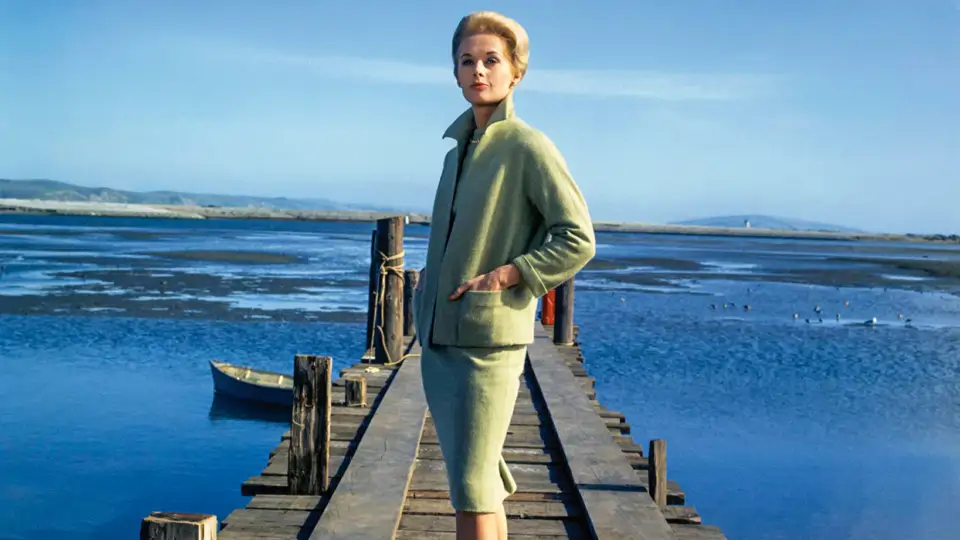
François Truffaut said that Hitchcock filmed his love scenes as if they were murder scenes, and his murder scenes as if they were love scenes. After a whole week of relentlessly filming the final bird-attack scene in The Birds, leading lady Tippi Hedren had to be admitted to hospital. The same actress went on to feature in Marnie, a film that feminist observers have called a fetishistic catalogue of misogynistic obsessions.
The director was famously portly, with life-long weight problems due to nervous eating. About 1.70m in height, at times he weighed up to 135 kg. He could reportedly eat three steak meals followed by ice cream for dessert. After he died of kidney failure, his heart was found to be 16 per cent larger than normal.
GLOSSARY
title card designer: diseñador de rótulos
silent movies: películas mudas
screenwriter: guionista
life-long: de toda la vida
lodger: inquilino
blackmail: chantaje
talkie: película con sonido
in full flow: en pleno apogeo
the former: la primera
blend: combinación
to gasp: dar un grito ahogado
to greet: recibir, acoger
spellbound: hechizado
notorious: infame (“Encadenados”)
chilling tale: relato escalofriante
to dial: marcar (en un teléfono)
to frame: incriminar
rear window: ventana trasera (“La ventana indiscreta”)
wheelchair-bound: confinado a una silla de ruedas
ruthless: despiadado, implacable
gaze: mirada
to frame shots: encuadrar planos
droll delivery: manera de hablar socarrona
distinctive features: rasgos distintivos
to engage: implicar
laughter: risa
naughty: traviesos
to play pranks: gastar bromas
cast and crew: reparto y equipo técnico
to dye: teñir
cattle: ganado
outstanding: excelentes
mesmeric: hipnóticas
relentlessly: sin tregua
portly: robusto
steak meals: menús de filete
kidney failure: insuficiencia renal